Introduction:
When it comes to cooking meat, ensuring proper pasteurization temperatures is crucial for food safety. Pasteurization kills harmful bacteria and pathogens, reducing the risk of foodborne illnesses. In this article, we will explore the recommended pasteurization temperatures for beef, chicken, and pork, focusing on three time intervals: 10 minutes, 5 minutes, and 1 minute.
Beef:
– 10 minutes: Pasteurization temperature for beef is recommended to reach at least 145°F (63°C) for 10 minutes, ensuring safety by eliminating potential pathogens.
– 5 minutes: For a quicker pasteurization process, a higher temperature of 160°F (71°C) for 5 minutes is recommended.
– 1 minute: In cases where time is of the essence, a higher temperature of 165°F (74°C) is advised for a minimum of 1 minute to achieve pasteurization.
Chicken:
– 10 minutes: It is recommended to cook chicken to a minimum internal temperature of 165°F (74°C) for 10 minutes to ensure proper pasteurization.
– 5 minutes: For a faster pasteurization process, a higher temperature of 170°F (77°C) for 5 minutes is suggested.
– 1 minute: In time-restricted situations, reaching an internal temperature of 175°F (79°C) for at least 1 minute is necessary for adequate pasteurization.
Pork:
– 10 minutes: For pork, a minimum internal temperature of 145°F (63°C) for 10 minutes is recommended to achieve proper pasteurization.
– 5 minutes: A higher temperature of 160°F (71°C) for 5 minutes can be utilized as an alternative for a quicker pasteurization process.
– 1 minute: In situations where time is limited, a temperature of 165°F (74°C) for a minimum of 1 minute should be reached for effective pasteurization.
It is important to note that these temperature and time combinations are guidelines for achieving pasteurization. However, factors such as meat thickness, cooking method, and individual preferences may influence cooking times and temperatures. Using a food thermometer is highly recommended to ensure accurate readings and safe consumption.
Conclusion:
Pasteurization of meat is crucial to ensure food safety by eliminating harmful bacteria and pathogens. When cooking beef, chicken, or pork, it is important to reach the recommended internal temperatures for a specified duration. By following the appropriate pasteurization temperatures for different time intervals, you can enjoy your meat dishes with confidence, knowing that they have been prepared safely and are free from potential health risks. Stay safe and enjoy your meals!
The U.S. Food and Drug Administration (FDA) recommends cooking poultry, including chicken, to an internal temperature of 165°F (74°C) for safety reasons. This requirement is based on several factors, including scientific research, foodborne illness outbreaks, and the need to protect public health. Here’s a brief overview of how and why the FDA established this guideline:
Scientific Research:
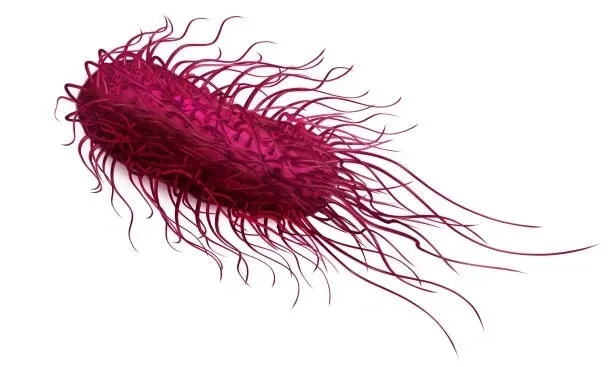
1. The FDA, along with other regulatory bodies and food safety organizations, conducts extensive scientific research to determine the optimal cooking temperatures for different types of meat. These studies aim to identify the temperature thresholds at which harmful bacteria, such as Salmonella and Campylobacter, are effectively destroyed.
2. Pathogen Elimination:
Pathogens like Salmonella and Campylobacter are commonly found in raw poultry and can cause severe foodborne illnesses if consumed. Cooking poultry to a temperature of 165°F (74°C) ensures that these bacteria are killed, reducing the risk of foodborne infections.
3. Consistency and Standardization:
Establishing a uniform cooking temperature guideline promotes consistency and standardization across the food industry. This simplifies food safety practices for consumers, foodservice establishments, and regulatory authorities. A specific temperature like 165°F (74°C) provides a clear and easy-to-follow benchmark for ensuring safe consumption of poultry.
4. Prevention of Foodborne Illness Outbreaks:
Foodborne illness outbreaks associated with undercooked poultry have occurred in the past, leading to severe illnesses and even deaths. By recommending a minimum internal temperature of 165°F (74°C), the FDA aims to prevent such outbreaks and protect public health.
5. Risk Reduction:
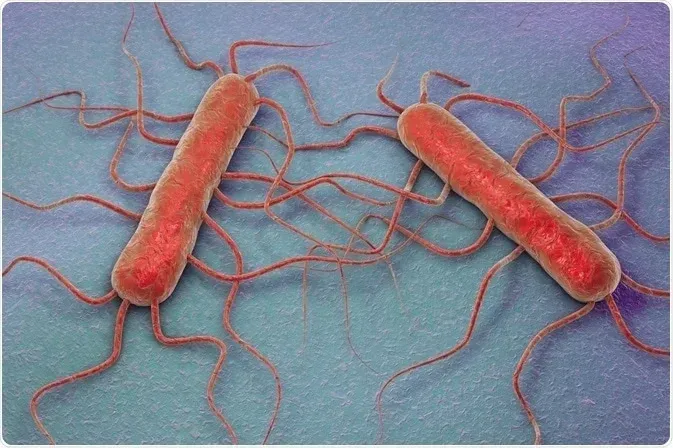
Cooking poultry to a higher temperature provides an additional margin of safety, as it ensures that any potential bacterial contamination is effectively eliminated. This is particularly important for vulnerable populations, such as young children, pregnant women, older adults, and individuals with weakened immune systems, who are more susceptible to foodborne infections.
It’s worth noting that the FDA’s guidelines are regularly reviewed and may evolve based on new scientific evidence and emerging food safety concerns. It is always advisable to follow the most current recommendations from reputable regulatory authorities to ensure proper food handling and minimize the risk of foodborne illnesses.
Make sure you cook to the temps you are comfortable with and only use USDA guidelines.
Safe eating!
Jay