Is your charcoal briquette slowly poisoning you and your children? Are you one of those BBQ folks that will use whatever the cheapest briquettes?
Well, you may want to spend a little more money after you read this article. All information for this video was obtained through SDS (Safety Data Sheets). These used to be called MSDS or Material Safety Data Sheets. I guess 4 words were too long, so they went to three.
Charcoal briquettes are not 100% wood. I could not find a single briquette other than coconut charcoal that has only 1 or 2 items listed in the charcoal. Zenfiyah Coconut Charcoal for example, has no chemicals, no glues and no carcinogens or cancer-causing items.
That can’t be said for the wood charcoal briquette companies. At least one of the biggest manufacturers does have these chemicals and cancer-causing agents in their charcoal.
There are two items I found in some of the charcoals which are definitely not something I will ever be ingesting. If I cannot confirm with the manufacture this is NOT in their product, I just won’t use it. There are TONS of other healthier options on the market.
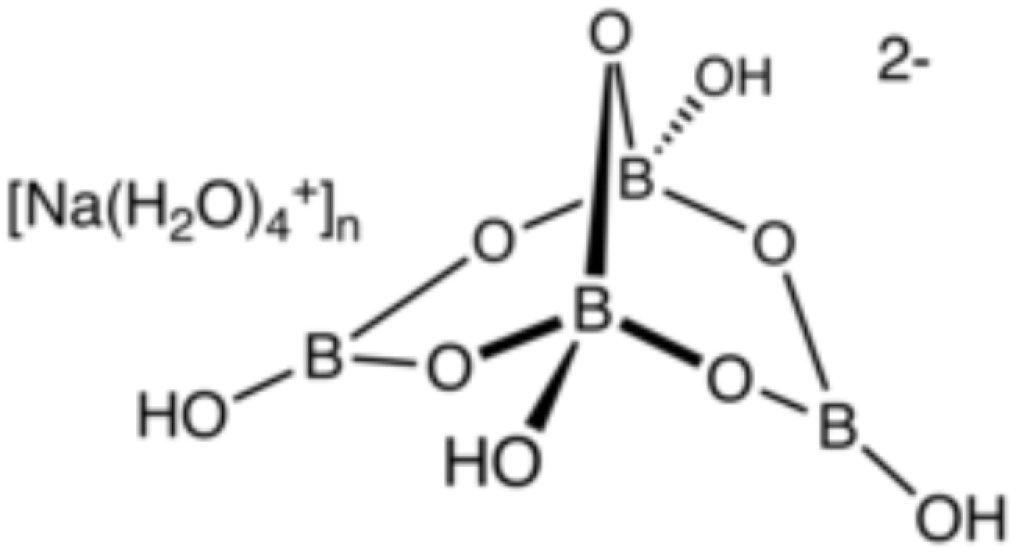
The first chemical that stood out that I did find listed was SODIUM TETRABORATE DECAHYDRATE. This name is now used to hide the generic word we all know. BORAX.
Most people would just assume it’s something that certainly isn’t toxic if you are putting it in your mouth. Certainly, they would never put that in something you would feed your children or would they?
In the food consumption industry, Big manufacturers have been caught doing
some very shady and, in some cases, “cover-up tactics”; check out the documentary FOOD INC. on Netflix.
The Chemical identification for Borax is Na₂B₄O₇=₁₀H₂O
Borax is a powdery white substance, also known as sodium borate, sodium tetraborate, or disodium tetraborate. It’s widely used as a household cleaner and a booster for laundry detergent. It’s a combination of boron, sodium, and oxygen.
Borax is often found in dry lake beds in places like California’s Death Valley, where the water evaporated and left behind deposits of minerals.
Boric acid is made from the same chemical compound as borax and even looks like it. While borax is commonly used in cleaning, boric acid is mainly used as a pesticide. Boric acid kills insects by targeting their stomachs and nervous systems.
Both borax and boric acid in loose powder form can be harmful if swallowed, particularly for children. They can also irritate your skin.
Household Uses of Borax
The best-known use for borax is as a cleaner, but you can find the ingredient in many other household products, including:
- Speciality toothpastes and mouthwashes
- Cosmetics such as lotions, skin creams, moisturisers, sunscreen, and acne care products
- Paint and ceramic glaze
- Herbicides
Borax is also an ingredient for making putty-like “slime” for kids.
Medical Research
Borax can cause nausea, vomiting, and diarrhea if you ingest it by itself, and large amounts can lead to shock and kidney failure. HERE IS THE BIG TAKEAWAY. It is banned in U.S. food products. Because you don’t eat charcoal directly, it is not considered a food product and the use is not banned.
That’s one ingredient I certainly don’t have to worry about using: clean, sustainable Coconut charcoal or 100% wood chunks from a fallen tree.
Now, the next chemical I found in one of the largest manufacturers of charcoal briquettes is an even more controversial chemical, and that is Sodium Nitrite
What is Sodium Nitrite
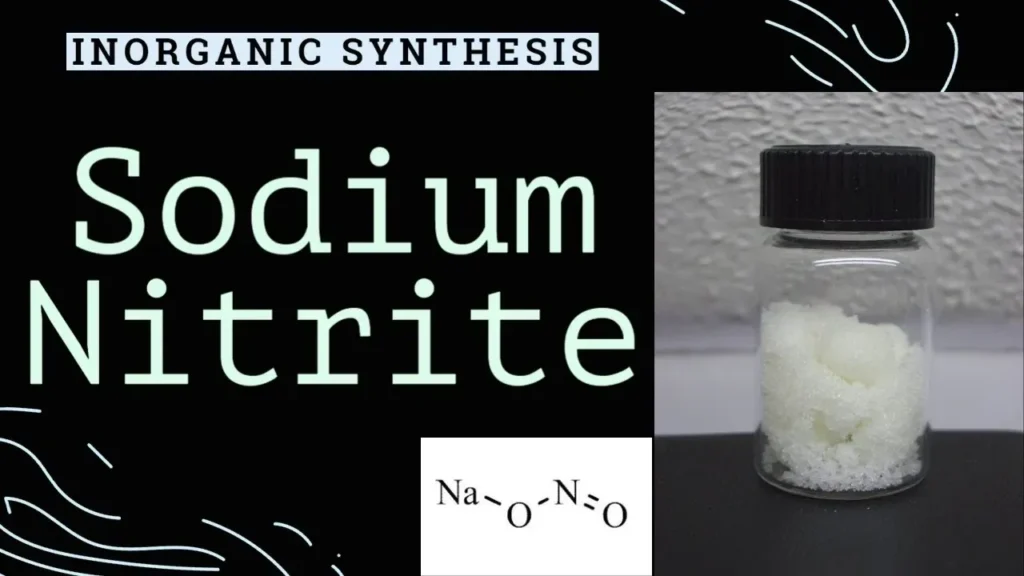
Sodium nitrate is used as an ingredient in fertilisers, pyrotechnics, as a food preservative, and as a solid rocket propellant, and also in glass and pottery enamels. Nitrite is a toxic compound.
If exposed to extreme heat or a highly acidic environment, sodium nitrate, like sodium nitrite, can change into nitrosamine in the body. Nitrosamine is a known carcinogen. According to a study published in the World Journal of Gastroenterology, sodium nitrate transformed into nitrosamines can cause gastric cancer.
Sodium nitrite has also been proven to have a detrimental effect on oxygen circulation in the blood. It is an inorganic compound with the chemical formula NaNO2. From an industrial perspective, it is the most important nitrite salt. It is a precursor to a variety of organic compounds, such as pharmaceuticals, dyes, and pesticides and has been used in curing meats and in some countries, fish, which is a very controversial topic.
Nitrite-containing processed meat is associated with an increased risk of developing colorectal cancer. Adding nitrites to meat has been shown to generate known carcinogens such as nitrosamines. The World Health Organisation’s review of more than 400 studies concluded, in 2015, that there was sufficient evidence that “processed meats” caused cancer, particularly colon cancer; the WHO’s International Agency for Research on Cancer classified “processed meats” as carcinogenic to humans.
The use of nitrites in food preservation is highly controversial due to the potential for the formation of nitroso-compounds. When the meat is cooked at high temperatures, nitrite-cured meat products can also lead to the formation of nitrosamines. The effect is seen for red processed meat, but not for white meat or fish.
While the meat industry considers nitrites irreplaceable because they speed up curing and improve colour.
Interestingly enough, the FDA has set a limit of 200 ppm of nitrates for cured meat; they are not allowed and not recognised as safe in most other foods, even foods that are not cooked at high temperatures, such as cheese.
INTERESTING FACT: Nitrates are illegal now in meat products in Norway and Sweden. Nitrates are being phased out in Denmark and Finland. Do they know something we are ignoring? I don’t know, but when multiple countries start banning a chemical in a food, it’s usually for a reason after doing numerous studies and seeing evidence that it’s cause some sort of harm.
So, are you going to stick to big brand charcoal briquettes? If you do, make sure you pull the Data Safety sheets and if your brand is hiding the contents saying “Proprietary information” you need to ask yourself this one question. Is my charcoal potentially poisoning my children or me? Make sure you educate yourself and if you don’t know what’s in something, why would you put it in your mouth and eat it?
That’s why I love Coconut Charcoal because it’s not toxic. It is the same material used in activate charcoal that is used by medical professionals to save peoples lives in poisoning situations.
While Coconut charcoal is your best bet for the cleanest charcoal, 100% lump wood charcoal is your next best bet as it is pure wood. If your charcoal company lists multiple items in the SDS saying “Proprietary Information” go on to the next brand. NOTHING should be added to 100% lump charcoal. If the company you are using cannot tell you what’s in their charcoal, you can decide for yourself if they are hiding something they don’t want you to know.
Thanks for watching, please subscribe and hit that notification bell and we’ll see you on the next one. SMOKE ON