
Cutting boards are an essential tool in any kitchen, and proper care and maintenance are crucial for ensuring their longevity and performance. One crucial aspect of cutting board care is conditioning, which involves applying a protective oil or wax to the board’s surface to keep it hydrated, nourished, and sealed against moisture and bacteria.
In this blog post, I’ll explain the importance of using a high-quality butcher block conditioner, the correct way to apply and wipe it on different types of cutting boards, and the top three reasons why you should make conditioning a regular part of your cutting board care routine.
The Importance of Using a High-Quality Butcher Block Conditioner
When it comes to conditioning your cutting board, using a high-quality butcher block conditioner is crucial. A good conditioner will nourish the wood, protect it from drying out or cracking, and create a barrier against moisture and bacteria. But not all conditioners are created equal.
A high-quality butcher block conditioner should be all-natural, food-safe, and free from any harmful chemicals or additives. Beeswax is often a popular ingredient in conditioners as it provides a protective seal that helps keep the board’s surface smooth and free from scratches. However, wax is not necessary, and some people prefer to use oil-based conditioners instead.
Regardless of whether you choose an oil or wax-based conditioner, be sure to select a product specifically designed for cutting boards. Avoid using vegetable oils or other kitchen staples, as these can turn rancid over time and leave your board with an unpleasant odor.
Applying and Wiping the Conditioner: End Grain vs. Side Edge Boards
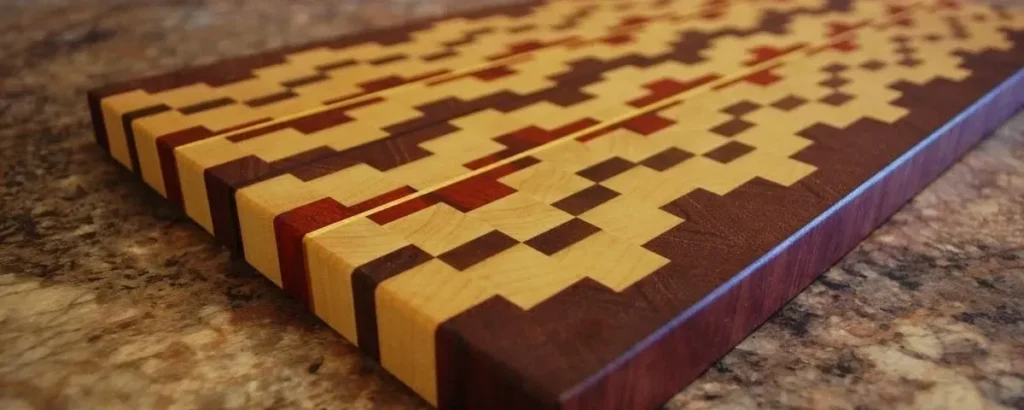
The way you apply and wipe the conditioner on your cutting board will depend on its construction. End grain cutting boards have a unique surface that does not have a specific grain direction, and you can apply the conditioner in any direction. However, side edge cutting boards have a defined grain pattern, and it is essential to apply and wipe the conditioner in the direction of the grain to ensure proper absorption.
To apply the conditioner, start by cleaning your cutting board with warm, soapy water and a soft brush. Rinse and dry the board thoroughly before applying the conditioner. Use a clean, lint-free cloth or a sponge to apply a thin layer of conditioner to the board’s surface, working it into the wood grain. Let the conditioner sit for a few minutes to absorb, then wipe off any excess with a clean cloth.
Repeat this process every few months, or as needed, depending on how frequently you use your cutting board. If you notice that the board’s surface looks dry or dull, it is a good sign that it needs conditioning.
Top Three Reasons to Condition Your Cutting Board
Now that we’ve covered the basics of conditioning your cutting board let’s look at the top three reasons why it’s essential to make this a regular part of your cutting board care routine.
- Protection against moisture and bacteria: A conditioned cutting board forms a protective barrier against moisture and bacteria, which can cause the wood to warp, crack or split over time. Regular conditioning helps keep the board’s surface smooth and free from cracks, ensuring a hygienic surface for food preparation.
- Improved longevity: A well-maintained cutting board can last for many years, even with heavy use. Conditioning helps keep the wood hydrated and nourished, reducing the risk of splitting or cracking and extending the board’s lifespan.
- Better performance: A smooth, well-conditioned cutting board is easier to use and can help reduce the wear and tear on your knives. Plus, a well-maintained board is more aesthetically pleasing and adds a touch of warmth and character to your kitchen.
Conditioning your cutting board is an essential part of maintaining its performance and longevity. Using a high-quality butcher block conditioner that is all-natural and specifically designed for cutting boards is crucial for ensuring optimal protection against moisture, bacteria, and other potential damages. By following the correct application and wiping methods, and conditioning your board regularly, you can keep it in top condition, improving its performance and adding warmth and character to your kitchen. With proper care and maintenance, your cutting board can be a reliable and beautiful tool in your kitchen for many years to come.
For a great conditioner I have used Howard Butcher Block Conditioner for over a decade and it’s kept my boards looking new. You can pick up a bottle cheap here https://amzn.to/3Loh9l1
Until next time,
Happy Conditioning and SMOKE ON, BABY!
Ukulele Jay