What’s Your Favorite Charcoal?
There are many different types of charcoal used in BBQ cooking, each with its own unique benefits and drawbacks. Here is a look at some of the most popular types of charcoal:
- Lump charcoal: This type of charcoal is made from chunks of wood that have been slowly burned in a closed environment. Lump charcoal burns hotter and faster than briquettes, and it produces a smoky flavor. Today, you can find lump charcoal anywhere, but your favorite brand may need to be ordered. Home Depot, True Value and all bbq stores usually have a good supply on hand.
- Briquettes: Briquettes are made from a mixture of wood scraps, sawdust, and other materials that have been compressed into uniform shapes. They burn more evenly than lump charcoal, and they are easy to find and more affordable. You can even find them at the regular grocery store although they will be the cheapest and lowest quality you can find for the most part. They will not produce nearly the flavor as lump charcoal. To counter this at least one manufacture started “flavoring” their briquettes. Some briquettes have toxic ingredients so make sure you read the bag. If you don’t understand the ingredient, do your homework!
- Hardwood briquettes: These briquettes are made from hardwoods like mesquite, oak, and applewood. They burn slower and cooler than regular briquettes, and they produce a more flavorful smoke. However, they can be more difficult to find and more expensive than regular briquettes.
- Coconut charcoal: This type of charcoal is made from the husks of coconuts that have been dried and burned. This is eco-friendly and 100% sustainable. It burns very hot, very long, and produces a slightly sweet aroma. There is NO VISIBLE SMOKE with coconut charcoal. This charcoal can be more difficult to find locally but is available online at Amazon (jhttps://amzn.to/40HpV2i you can order online) and looks more expensive than other types of charcoal but when you break down the burn time which is at least 20% longer than regular charcoal, the price per pound while higher is well worth the cost in my opinion.
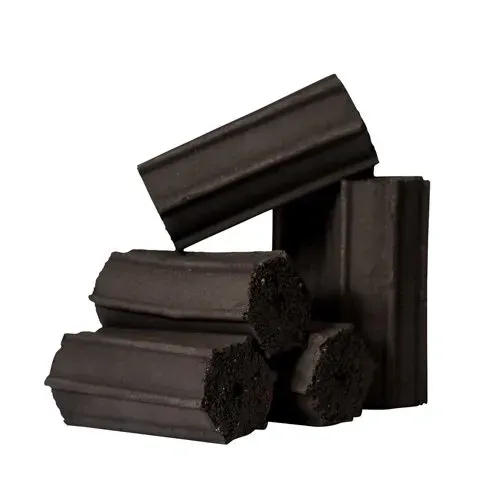
The PRO and CON of Using Each Type of Charcoal
Lump charcoal:
- PRO:
- Burns hotter and faster than briquettes
- Produces a smoky flavor
- CON:
- More expensive than briquettes by the pound
Briquettes:
- PRO:
- Burn more evenly than lump charcoal
- More affordable than lump charcoal
- May not produce as smoky a flavor as lump charcoal
- CON:
- May not produce as smoky a flavor
- May contain toxic chemicals
- May contain furniture shavings and wood waste products
Hardwood briquettes:
- PRO:
- Burn slower and cooler than regular briquettes
- Produce a more flavorful smoke
- More difficult to find and more expensive than regular briquettes
- CON:
- More difficult to find and more expensive
Coconut charcoal:
- PRO:
- Burns very hot and long (more than any other type of charcoal)
- Produces a sweet aroma
- Completely SMOKELESS
- More difficult to find and more expensive per pound than other types of charcoal
- 20% longer burn time than lump or briquettes
- CON:
- More difficult to find and more expensive
How Each Type of Charcoal Is Made
Lump charcoal is made by slowly burning wood in a closed environment. This process slowly removes the water and sap from the wood, leaving behind a pure charcoal that burns hot and fast.
Briquettes are made by compressing a mixture of wood scraps, sawdust, and other materials into uniform shapes. This process heats the materials to a high temperature, which causes them to decompose and release their carbon content. The carbon is then compressed into briquettes. Chemicals may be added to assist with burning evenly.
Hardwood briquettes are made from hardwoods like mesquite, oak, and applewood. These briquettes are made using a similar process to regular briquettes, but they use a higher quality of wood and are compressed at a lower temperature. This results in briquettes that burn slower and cooler than regular briquettes.
Coconut charcoal is made from the husks of coconuts that have been dried and burned. The coconut husks are first dried, then ground into a fine powder. This powder is then mixed with water and pressed into molds. There are no glues or chemical binders needed for this charcoal. The molds are then dried in the sun, resulting in coconut charcoal briquettes.
The Possible Health Hazards of the Chemicals in Borax Chemical Diagram
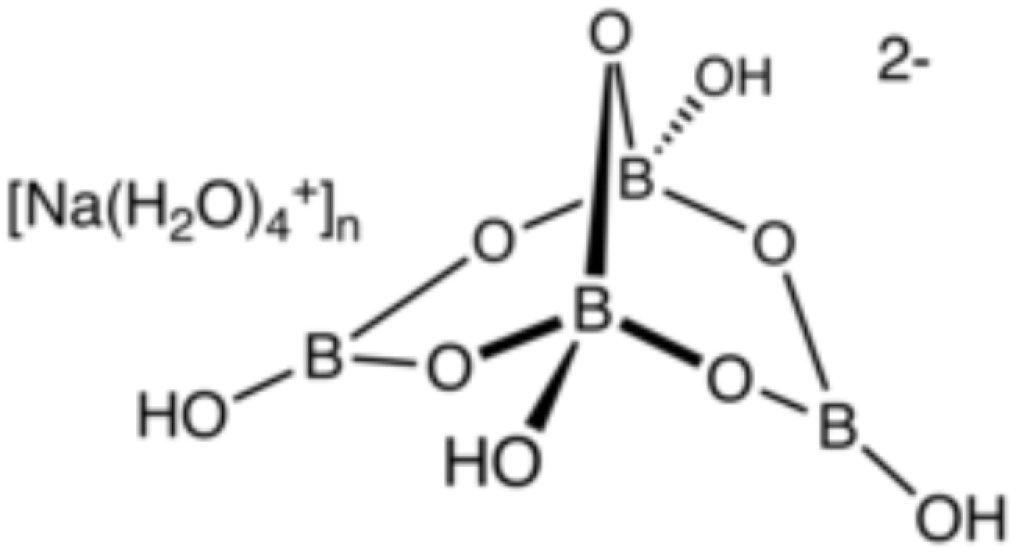
Some Charcoal briquettes contain a number of chemicals, including borax and nitrates. These chemicals can be harmful to human health if they are ingested or inhaled. Borax can cause stomach upset, while nitrates can cause headaches and dizziness.
Borax and nitrates were banned in the EU in food products because they can be harmful to human health. However, they are still allowed in charcoal briquettes.
In fact, the U.S. Food and Drug Administration (FDA) banned borax as a food additive. Borax is not safe to ingest
Conclusion
There are many different types of charcoal used in BBQ cooking, each with its own unique benefits and drawbacks. The best type of charcoal for you will depend on your personal preferences and the type of food you are cooking.
Until next time,
SMOKE ON, BABY!