Introduction:
A well-sharpened knife is an essential tool for any kitchen enthusiast or professional chef. While there are various types of sharpeners available, each with its own advantages, understanding the different techniques can help you achieve optimal results. In this blog post, we will explore the world of knife sharpening, including whetstone, diamond stone, belt sharpening, diamond wheel sharpening, honing, and stropping.
1. Whetstone Sharpening:
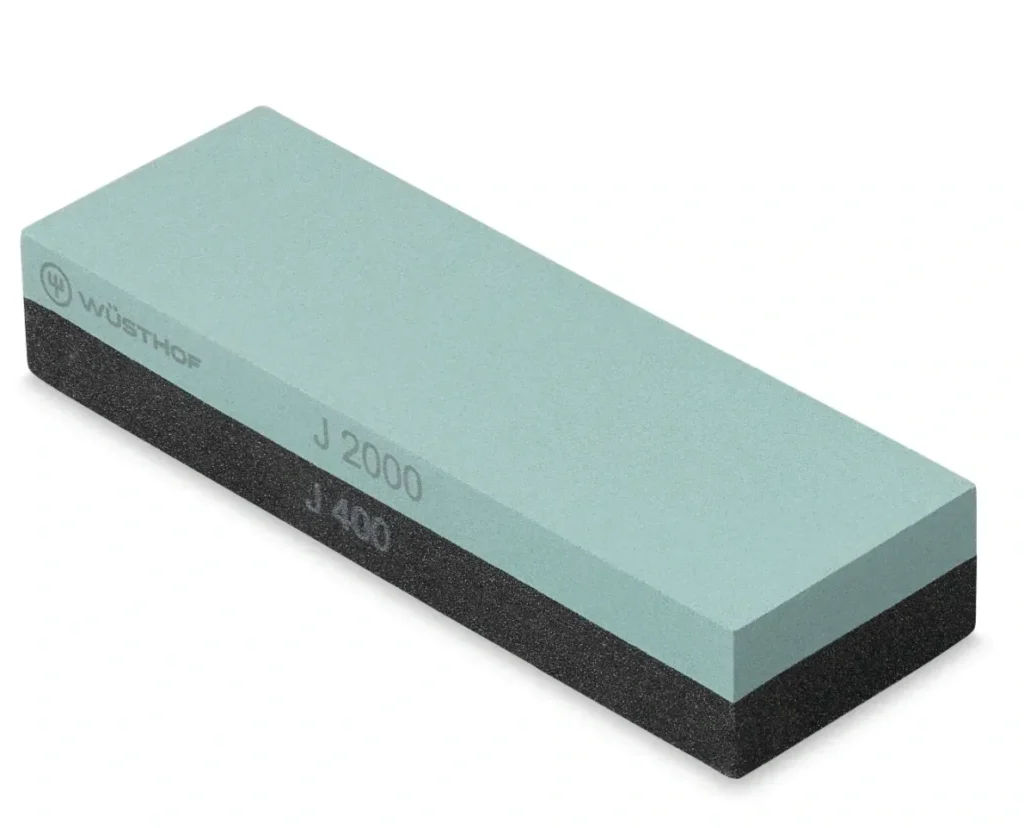
Whetstone sharpening is a traditional and versatile method that allows for precise control over the sharpening process. Here are the steps to sharpen your knife using a whetstone:
– Soak the whetstone in water for the recommended time.
– Place the whetstone on a stable surface.
– Hold the knife at a consistent angle (usually 15-20 degrees) and start with the coarse side of the whetstone.
– Move the knife back and forth across the stone, maintaining a steady and consistent motion.
– After a few strokes, flip the knife and repeat the process on the finer side of the whetstone.
– Rinse the knife thoroughly and test its sharpness.
2. Diamond Stone Sharpening:
Diamond stones are known for their durability and effectiveness in sharpening various types of blades. Here’s how you can sharpen your knife using a diamond stone:
– Place the diamond stone on a flat surface.
– Hold the knife at the desired angle and start with the coarse side of the stone.
– Glide the knife across the stone, applying light pressure.
– Repeat the process on the finer side of the diamond stone.
– Rinse and test the knife’s sharpness.
3. Belt Sharpening:
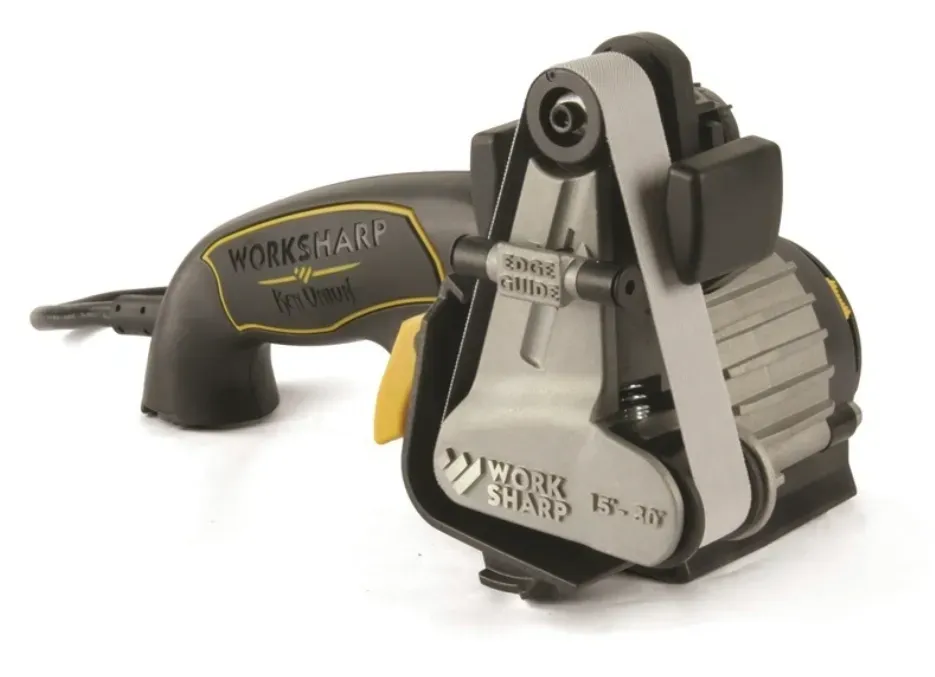
Belt sharpening is a method commonly used by professionals due to its speed and efficiency. Here’s an overview of the process:
– Secure the belt sharpening system.
– Adjust the angle guide on the system to your desired angle.
– Pass the knife through the rotating belt, ensuring consistent pressure.
– Repeat the process on the opposite side of the knife.
– Clean the blade and assess its sharpness.
4. Diamond Wheel Sharpening:
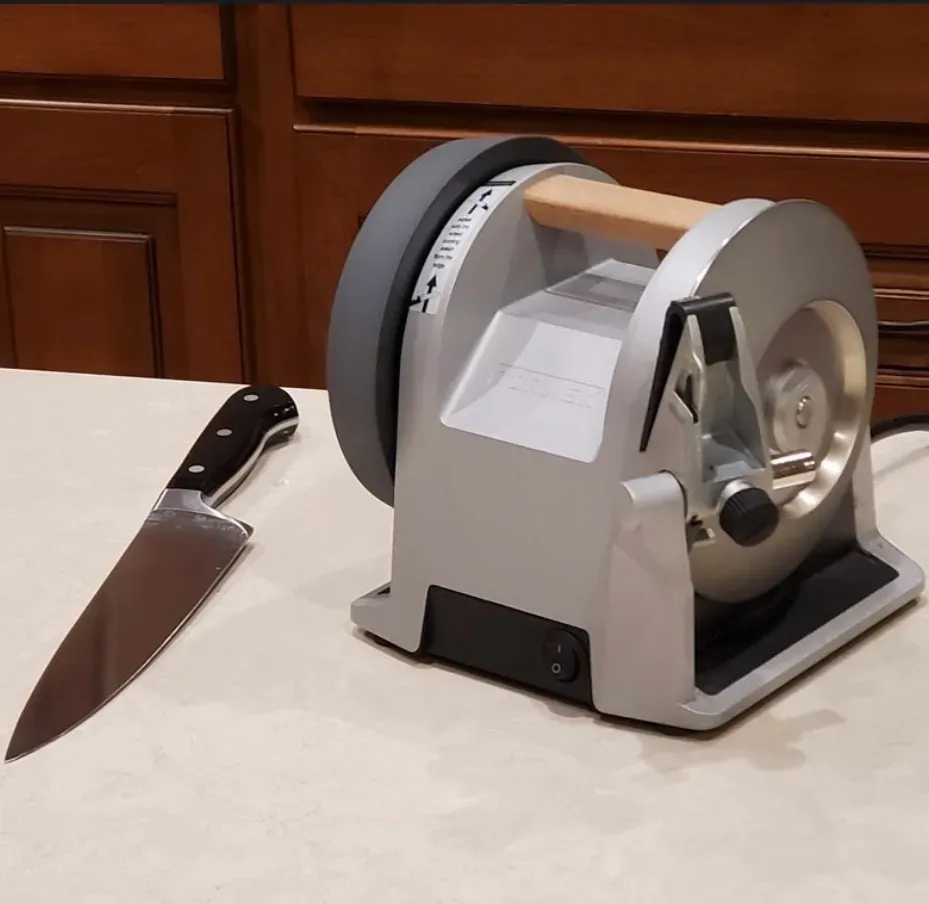
Diamond wheel sharpening is a technique often used for heavy-duty sharpening or reprofiling knives. Here’s a simplified approach to using a diamond wheel sharpener:
– Set up the diamond wheel sharpening system, following the manufacturer’s instructions.
– Adjust the angle guide to the desired sharpening angle.
– Pass the knife through the rotating diamond wheel, applying even pressure.
– Repeat the process on the other side of the blade.
– Clean the knife and evaluate its sharpness.
5. Honing:
Honing helps maintain the knife’s sharpness between sharpening sessions. It involves using a honing steel or rod. Here’s a basic honing process:
– Hold the honing rod vertically on a stable surface.
– Angle the knife against the rod, matching the blade’s bevel.
– Starting from the base of the blade, glide the knife down the rod, maintaining light pressure and a consistent angle.
– Repeat the process on the opposite side of the blade.
– Clean the knife and assess its sharpness.
6. Stropping:

Stropping is the final step in achieving a razor-sharp edge. It involves using a leather strop or a strop with a polishing compound. Here’s a simple stropping process:
– Secure the strop on a stable surface.
– Apply a thin layer of polishing compound if using.
– Hold the knife at a consistent angle and gently slide it across the strop’s surface.
– Repeat the process on the opposite side of the blade.
– Wipe the blade clean and test its sharpness.
SEVERAL COMMON MISTAKES
There are several common mistakes that people make when sharpening knives. Here are some of them:
- Inconsistent Angles: One of the most common mistakes people make when sharpening their knives is maintaining inconsistent angles throughout the sharpening process. This can result in an uneven edge, making the knife less effective and increasing the risk of accidents
- Incorrect Angle Selection: Another mistake to avoid is selecting the wrong angle for sharpening your knife
- Overly Aggressive Sharpening: Being too aggressive when sharpening your knife can cause damage to the blade and reduce its lifespan
- Neglecting the Blade’s Original Angle: It’s important to take into account the original angle of the blade when sharpening it, as neglecting this can result in an uneven edge
- Lack of Practice and Experience: Sharpening a knife takes practice and experience, and a lack of either can result in mistakes and a poorly sharpened blade
It’s important to take your time when sharpening your knives, and to pay attention to the details to avoid these common mistakes. With practice, you’ll be able to sharpen your knives like a pro! 😊
Conclusion:
Knife sharpening is a valuable skill that can enhance your culinary experience. By understanding the various types of sharpeners and techniques, such as whetstone, diamond stone, belt sharpening, diamond wheel sharpening, honing, and stropping, you can keep your knives in top-notch condition. Remember to practice caution and precision during the sharpening process for optimal results. Happy sharpening!