Introduction:
The topic of whether to wash raw chicken before cooking has been a subject of debate for years. Some argue that washing removes potential contaminants, while others claim it spreads bacteria. In this article, we will delve into the issue and explore three reliable resources to determine if washing raw chicken is necessary for food safety. Let’s separate fact from fiction and make an informed decision.
1. Food Safety and Inspection Service (FSIS):
According to the FSIS, washing raw chicken is not recommended. Their research indicates that washing poultry can actually spread bacteria, such as Campylobacter and Salmonella, onto kitchen surfaces, utensils, and other foods. These bacteria can cause foodborne illnesses if ingested. Therefore, it is best to skip the washing step and focus on proper cooking techniques to eliminate any harmful bacteria.
2. Centers for Disease Control and Prevention (CDC):
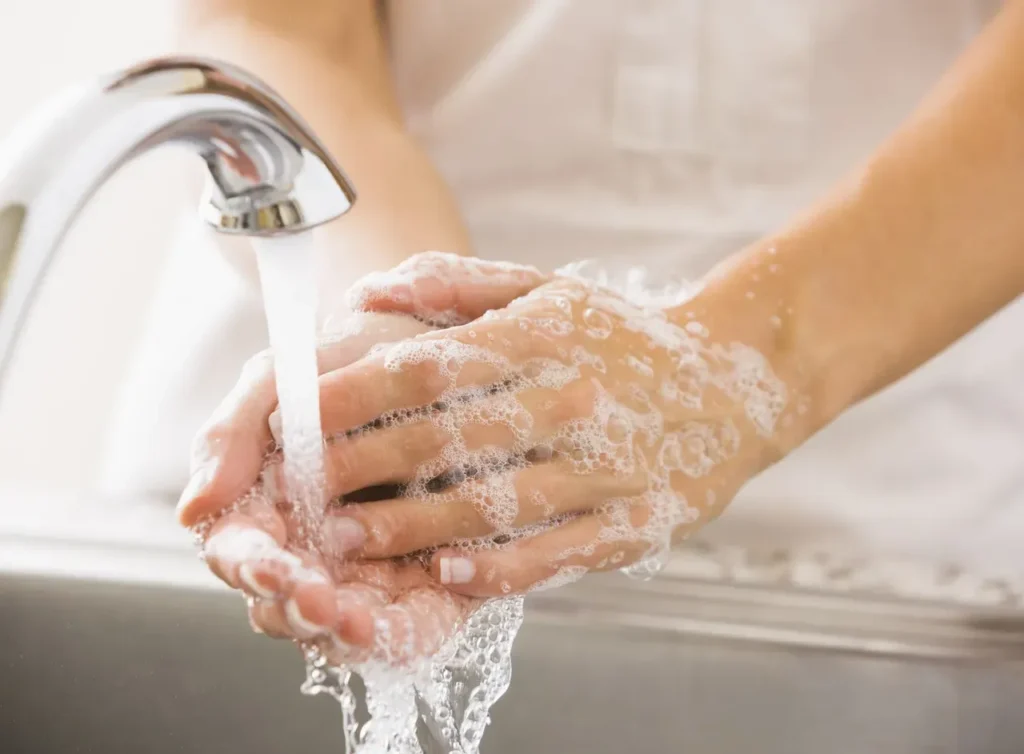
The CDC supports the FSIS’s stance on washing raw chicken. They emphasize that bacteria present on raw poultry are easily killed during the cooking process. Washing the chicken does not remove all bacteria, and the water used for washing can contaminate other surfaces in the kitchen. Instead, they recommend using hot, soapy water to clean any utensils, cutting boards, or countertops that come into contact with raw chicken to prevent cross-contamination.
3. World Health Organization (WHO):
The WHO also discourages washing raw chicken. They state that washing chicken can cause splashing, which spreads bacteria up to 50 centimeters away from the sink. This contamination can affect kitchen surfaces, clothes, and even the cook themselves. The WHO advises thoroughly cooking chicken to an internal temperature of 165°F (74°C) to ensure all harmful bacteria are destroyed.
Conclusion:
Based on the information provided by reputable sources like the FSIS, CDC, and WHO, washing raw chicken is not necessary for food safety. In fact, it can lead to the spread of harmful bacteria and increase the risk of foodborne illnesses. Instead, focus on proper cooking techniques, such as reaching the recommended internal temperature, to ensure that chicken is safe to consume. By following these guidelines, you can confidently prepare delicious and safe meals for yourself and your loved ones.
Remember, when it comes to food safety, knowledge is key. Stay informed, practice good hygiene, and prioritize proper cooking methods to minimize the risk of foodborne illnesses.