When it comes to BBQ, most people obsess over meat, rubs, and smokers—but what about the fuel you’re cooking with? If you’re using cheap fuel without knowing what’s inside it, you might be wondering: are charcoal briquettes toxic? Let’s break down what’s really in your fuel, what the science says, and how to choose safer, cleaner options for your backyard BBQ.
Are Charcoal Briquettes Toxic? What’s Really Inside Them
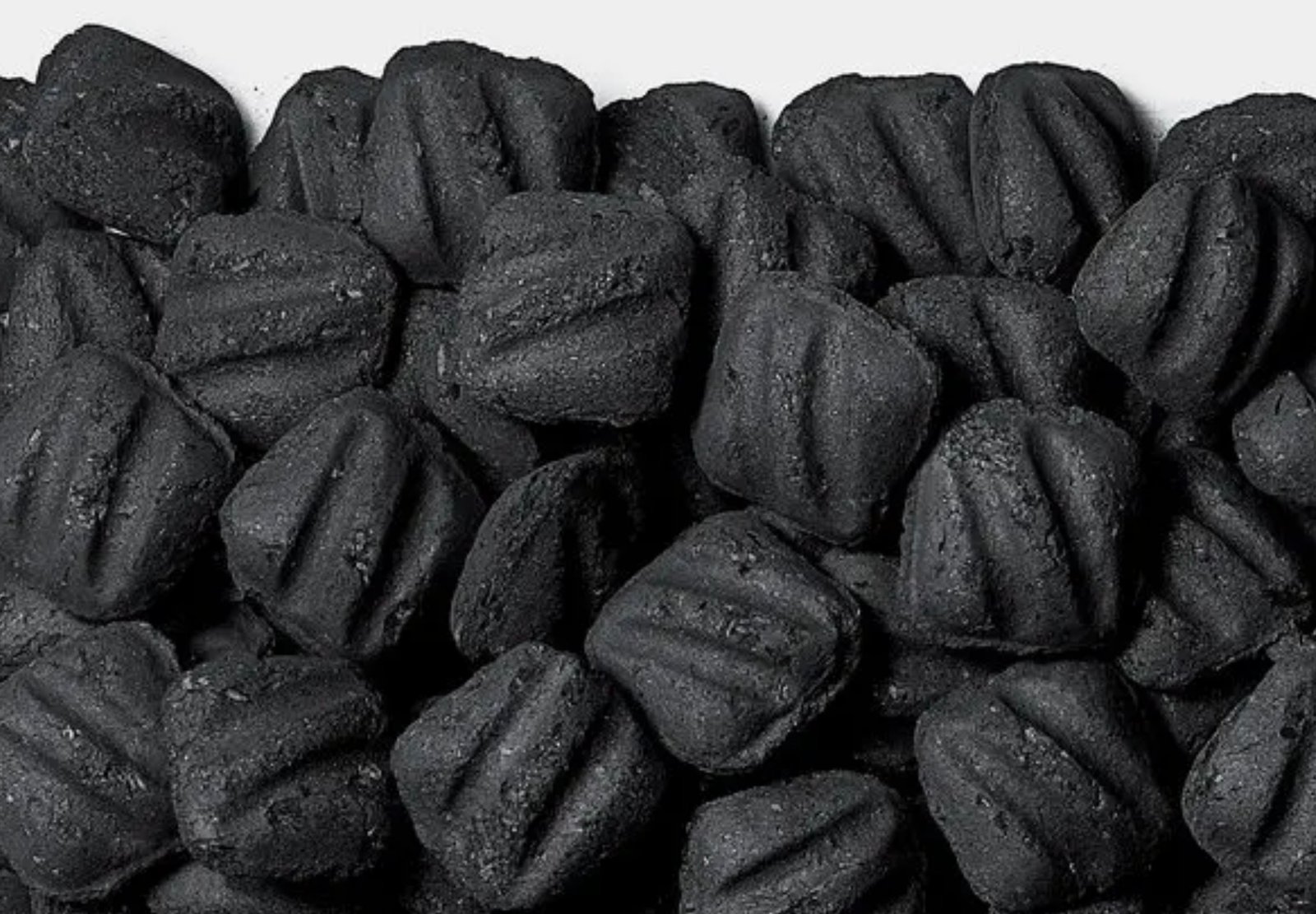
Here’s the truth most people don’t realize: charcoal briquettes are NOT 100% wood. Unlike natural lump charcoal, factory-manufactured briquettes are held together using a mix of ingredients that often include:
- Charred wood (charcoal fines)
- Binders (to hold the uniform shape)
- Fillers (like limestone or clay)
- Ignition aids and chemical additives
These ingredients help briquettes burn consistently and cheaply, but they may come with health and safety trade-offs.
Why Safety Data Sheets (SDS) Matter
To truly understand if your grilling fuel contains hazardous components, you need to check the manufacturer’s Safety Data Sheet (SDS). These documents list chemical components, health hazards, and safety handling guidelines.
⚠️ Red Flag: If a manufacturer lists ingredients as “proprietary,” they are not fully disclosing what’s inside. As a consumer, that should raise serious questions.
The Chemical Concerns: Borax and Sodium Nitrite
1. Borax (Sodium Tetraborate Decahydrate)
One chemical found in some charcoal briquettes is Sodium Tetraborate Decahydrate, commonly known as Borax. While widely used in household cleaners, laundry detergents, and pest control products, Borax is banned in U.S. food products. It can cause nausea, vomiting, and irritation if ingested. While you aren’t eating charcoal directly, the underlying concern is whether chemical residue or smoke transfer could potentially impact your food.
2. Sodium Nitrite
Another controversial compound found in certain briquettes is Sodium Nitrite. Used heavily in industrial applications, fertilizers, and processed meat preservation, this chemical can form nitrosamines when exposed to high heat. Nitrosamines are classified as carcinogens and have been linked by organizations like the World Health Organization to an increased risk of colorectal and gastric cancers.
🌍 Global Perspective on Nitrites
Some countries have taken much stricter action regarding these compounds:
- Norway & Sweden: Implemented restrictions or outright bans on nitrates in certain foods.
- Denmark & Finland: Actively phasing out usage.
When multiple countries begin limiting a chemical, it is usually based on emerging scientific evidence and public health concerns. It is wise to pay attention to these shifting global standards when choosing your cooking fuel.
Important Reality Check: Understanding Your Exposure
Let’s be clear: you are not directly eating charcoal, and exact exposure levels from backyard cooking are still heavily debated. While not all brands mean that are charcoal briquettes toxic in terms of immediate danger, many BBQ enthusiasts choose to avoid unnecessary synthetic additives altogether. If cleaner, all-natural alternatives exist, why take the risk with your family’s food?
The Cleanest Alternatives for Safe BBQ
If you want to ditch the chemicals and maximize peace of mind, consider swapping your standard briquettes for these cleaner options:
1. Coconut Charcoal
If you want the purest, most natural option, coconut charcoal is gaining massive popularity. Made from compressed coconut shells, it typically contains no synthetic binders or chemical additives. It burns incredibly hot, clean, and consistently while producing very low ash. One top quality example is https://www.zenfiyah.com/
Best of all, it leaves a completely neutral flavor profile that is absolutely perfect when grilling up delicate proteins, like my flavorful Budget Chicken Thigh Recipes.
2. 100% Natural Lump Charcoal
Another excellent choice is natural lump charcoal made entirely from pure hardwood. Because it contains zero fillers or synthetic binders, it produces an authentic, rich wood-fired flavor.
It burns much hotter than standard briquettes, making it the ideal clean fuel choice for massive holiday cooks, such as my step-by-step Deep Fried Turkey Guide. Just be sure to check your labels carefully and avoid any brands listing “proprietary ingredients”.
When to Avoid a Charcoal Brand
You should think twice about buying a charcoal product if:
- The ingredients are hidden under a “proprietary” label.
- The brand’s Safety Data Sheets (SDS) are unavailable online.
- Multiple chemical additives or instant-light fuels are listed.
- The price seems too good to be true.
Final Thoughts: Know What Fuels Your Fire
BBQ is about more than just great flavor—it’s about what you’re feeding yourself and your loved ones. Taking a few minutes to research your charcoal can make a massive difference in your food quality, its flavor, and your overall peace of mind. At the end of the day, cleaner fuel always equals cleaner cooking.
Next time you fire up the grill, ask yourself: Do I really know what’s in my charcoal?
Make sure to subscribe for the latest newsletter.
SUBSCRIBE: Ukulele Jay BBQ’s YOUTUBE CHANNEL for great video content.
FOLLOW ME on INSTAGRAM for daily postings.
FOLLOW ME on FACEBOOK
AMAZON DEAL COOKING STORE: My Amazon Store Deals Here! for all my top picks and current deals.
SMOKE ON, BABY!