If your last trip to the meat counter felt like a personal attack on your wallet, you aren’t alone. We are facing historic highs in beef pricing. US cattle herd numbers have hit a 70-year low, which means supply is tight, and prices at the grocery store have spiked by over 15% this year alone.
The high cost of premium cuts like Ribeye and New York Strip is forcing many families to make a difficult choice: overspend or eliminate beef entirely.
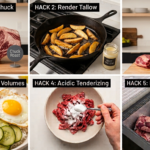
But you don’t have to switch to beans just yet. The secret isn’t just buying less beef; it’s buying smarter and applying the right technique. Chefs and savvy butchers have long relied on a set of ‘insider hacks’ to turn budget meat into luxury meals. Here are the top 5 beef inflation hacks that actually work in 2026.
Hack #1: The ‘Befriend Your Butcher’ Cut Shift (Master the Chuck)
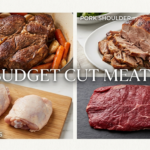
The biggest mistake is walking past the vast landscape of the chuck and round sections simply because you don’t know what to do with them. Premium cuts are tender because they come from muscles that don’t do much work. Working muscles (like the shoulder/chuck) are tougher, but they also contain significantly more collagen and flavor.
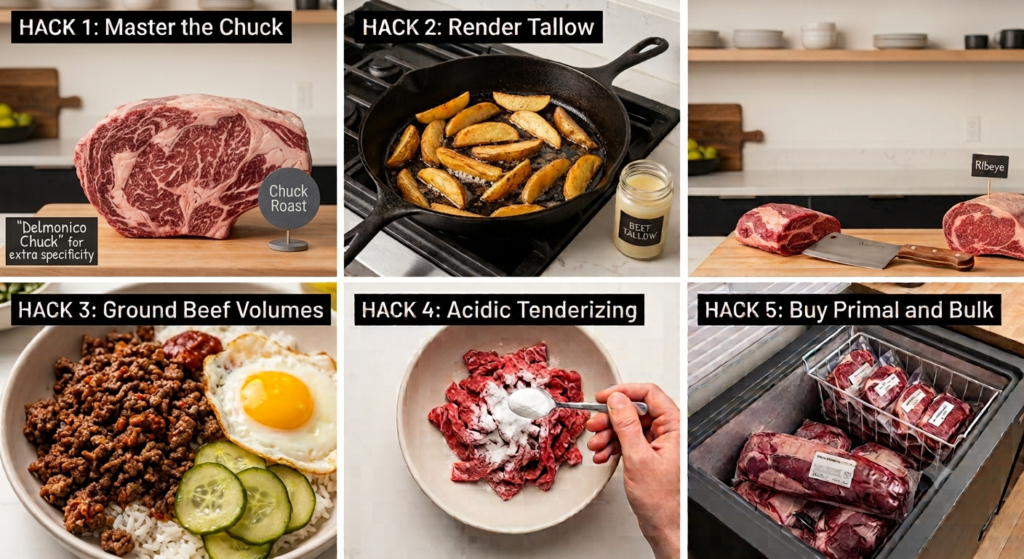
The hack is knowing which working muscle to buy. Instead of a $19.99/lb Ribeye, ask your butcher for a Chuck Eye Steak (often called a ‘Delmonico’). It comes from the exact same muscle group but costs roughly half the price. It’s nearly identical in flavor and tenderness.
For larger meals, master the 7-bone chuck roast. When slow-cooked, that tough collagen melts into rich gelatin, creating the tender, beefy experience of a high-end restaurant short rib for $6.99/lb.
Hack #2: Utilize ‘Yield Boosters’ (Tallow and Fat)
One massive reason meat prices are higher is the labor cost involved in trimming fat. Grocers mark up trimmed meat significantly. The hack is to buy meat that is untrimmed and then use that trim to boost flavor and yield in other dishes.
Instead of paying for extra-lean 93/7 ground beef, buy the cheaper 80/20. The rendered fat (beef tallow) is liquid gold. You can collect it and use it to roast vegetables, fry potatoes, or incluso to sear a cheaper steak. Tallow adds an intense, savory profile that instantly elevates budget cuts, making them taste expensive. 2026 is the year of the tallow comeback; it’s nutrient-dense, shelf-stable, and entirely free flavor.
Hack #3: Ground Beef Volumes (The Ground Beef Bowl)
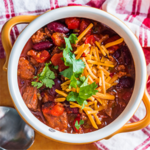
Ground beef is still the most affordable beef entry point for most families, but prices are rising there, too. The current trending solution on social analytics is maximizing the utility of ground beef via ‘Ground Beef Bowls.’
This is a volume hack. A high-quality pound of 85/15 ground beef can be stretched to feed four people by integrating high-yield, low-cost accompaniments like rice, bulky roasted vegetables, or potatoes. The beef acts as a powerful flavor agent for the entire bowl, delivering the essential protein punch without requiring a massive, expensive steak-per-person portion.
Hack #4: Acidic tenderizing and the ’15-Minute Rule’
You can make a $6/lb flank steak or sirloin tip taste like a tender filet mignon with proper technique. These lean, budget-friendly cuts have tight muscle fibers. Traditional marinades take hours, but in 2026, the trend is hyper-efficient, ingredient-driven tenderizing.
Apply the ’15-Minute Rule’: Mix 1 tablespoon of baking soda with a splash of water and toss your cheap, sliced beef in the mixture. Let it rest for 15 minutes, then rinse it thoroughly and pat it dry. The alkaline environment of the baking soda physically uncoils the protein fibers, tenderizing it without turning it to mush. When you quickly sear it, it will be impossibly tender. Pair this with quick, acidic marinades (soy, ginger, and lime) for maximum 2026 flavor.
Hack #5: Buy ‘Case Ready’ (Primal Cuts) and Bulk Prep
Grocery stores increase costs by roughly 25-40% just to break down a primal cut (like a whole sirloin tip) into individual steaks or roasts. The hack is to skip that labor cost.
If you have freezer space, buy the ‘case ready’ primal straight from a warehouse store. Purchasing a whole, vacuum-sealed 12-pound tenderloin or a 15-pound chuck roll will save you multiple dollars per pound. Ask the butcher counter at a club store (like Costco) if they will cut it for you (often for free if you buy the whole piece) or simply break it down at home. Investing one hour of your own butchery time saves enough money to pay for a month’s worth of inflation.
We are in an era of culinary compromise. But inflation doesn’t have to mean eating poorly. By shifting from high-cost convenience cuts to high-yield working muscles, and mastering essential kitchen techniques like tallow rendering and alkaline tenderizing, you can beat the 2026 market and keep rich, satisfying beef on the table.
BBQ Chef Jay
SUBSCRIBE and follow me at https://youtube.com/ukulelejaybbq for all of my videos and product reviews.
https://instagram.com/ukulelejaybbq for you IG lovers.
https://tiktok.com/@ukulelejaybbq for your TikTok fans.
https://facebook.com/ukulelejaybbq for you Facebook fanatics.
SMOKE ON, BABY!