Few dishes cross borders, cultures, and centuries quite as effortlessly as the kabob. Whether you spell it kabob, kebab, or kebap, this globally adored style of skewered, fire-roasted food is a staple of backyards, fine dining, and street-food stalls worldwide.
I have been Grilling Kabobs on my own backyard mangal-style setup for over a decade, and this yogurt-marinade version is the one my family requests most. After testing dozens of marinades, this ratio of yogurt-to-acid is the one that never fails.
If you want to master the art of the flame, this guide covers everything from the ancient origins of the kabob to the best proteins to use, traditional equipment, and a foolproof recipe for succulent grilled chicken kabobs.
The Ancient Roots: Where Did Kabobs Originate?

The history of the kabob is deeply tied to the culinary heritage of the Middle East and Central Asia. The word itself is believed to stem from ancient languages (such as the Akkadian kebabu or the Persian kabāb), translating roughly to “to burn, char, or roast meat.”
Popular culinary lore tells us that nomadic tribes and medieval soldiers—particularly Persian and Turkish warriors—would use their swords to skewer chunks of freshly hunted wild game, roasting them directly over open campfires. This practical, fast way to cook meat over open flames evolved through the centuries, eventually moving from rugged battlefields into the grand imperial kitchens of the Ottoman and Mughal Empires, where the recipes were refined with exotic spices and local produce.
Fire and Steel: How Kabobs Are Cooked
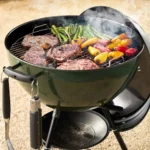
While modern home cooks often lean on a standard gas or charcoal backyard grill, traditional kabob cooking relies on specialized equipment designed to maximize smokiness and achieve the perfect sear.
The Mangal (The Traditional Kebab Grill)
In the Middle East and parts of Eastern Europe, the ultimate tool for this dish is the mangal. A mangal is a long, narrow, open-topped trough-style grill that holds hot charcoal embers but typically lacks a top grate.
Instead of resting on a wire grate, long metal skewers bridge across the top edges of the mangal. This design allows the meat to suspend directly above the glowing coals without sticking to a cooking grid, ensuring even heat distribution and a clean char.
Flat vs. Round Skewers
Traditional recipes rarely use the thin, round wooden skewers common in supermarkets. Instead, master grillers utilize broad, flat stainless steel skewers. The wide, flat shape prevents chunks of meat or minced mixtures (like Koobideh or Seekh kebabs) from spinning loosely around the metal when you flip them.
Choosing Your Protein: Popular Kabob Varieties
Part of the beauty of the kabob is its versatility. Different regions have adapted the dish to their local geography, religious traditions, and agricultural strengths.
- Lamb: The absolute traditional classic across Central Asia and the Middle East. Rich, fatty cuts like lamb shoulder or leg of lamb are highly prized because they stay exceptionally juicy over high heat.
- Beef: The standard go-to in Western adaptations and widely popular across South Asia. Sirloin, tenderloin, or flank steak cut into uniform cubes are perfect choices for a premium chew.
- Chicken (Shish Taouk): Hugely popular due to its mild flavor, which acts as a blank canvas for vibrant, acidic marinades. Thigh meat yields the juiciest results, though properly marinated breast meat works beautifully.
- Minced Meat (Kofta / Seekh / Lula): Ground beef, lamb, or a blend of both mixed with grated onions, fresh herbs, and spices, molded directly by hand onto wide skewers.
Recipe: Golden Garlic & Yogurt Chicken Kabobs
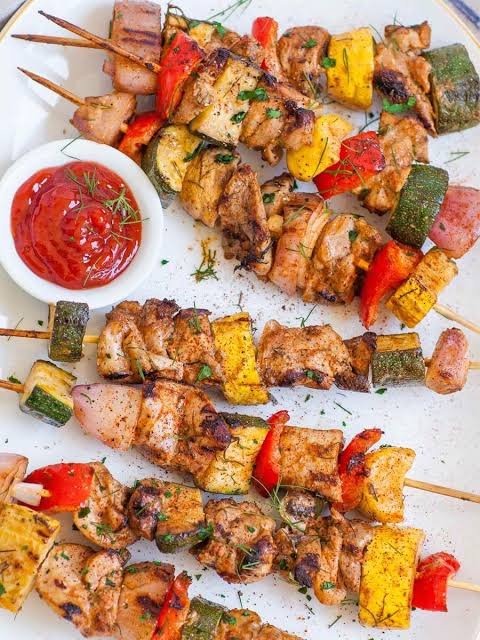
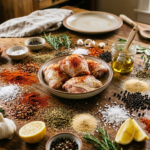
The secret to perfectly tender chicken kabobs lies in the yogurt marinade. Yogurt contains lactic acid and calcium, which gently break down proteins without turning the chicken mushy (the way harsh vinegar-based marinades sometimes can).
- Prep time: 20 minutes (+ 2 to 4 hours marinating time)
- Cook time: 12-15 minutes
- Servings: 4
Ingredients
For the Chicken & Veggies:
- 2 lbs boneless, skinless chicken thighs or breasts, cut into 1.5-inch cubes
- 2 large bell peppers (red, yellow, or green), cut into 1.5-inch pieces
- 1 large red onion, cut into wedges
- 1 cup whole-milk plain Greek yogurt
- 3 tbsp olive oil
- 4 cloves garlic, minced
- 1.5 tbsp freshly squeezed lemon juice
- 1 tbsp tomato paste
- 1 tsp ground cumin
- 1 tsp smoked paprika
- 1 tsp kosher salt
- 1/2 tsp freshly cracked black pepper
Step-by-Step Instructions
1.Whisk the Marinade:Prep.
In a large mixing bowl, combine the Greek yogurt, olive oil, minced garlic, lemon juice, tomato paste, cumin, smoked paprika, salt, and black pepper. Whisk until completely smooth.
2.Marinate the Chicken:2 to 4 hours.
Add the cubed chicken to the bowl. Toss thoroughly to ensure every piece is evenly coated. Cover the bowl and refrigerate for at least 2 hours (4 hours is ideal for deep flavor penetration).
Always handle and cook the chicken safely, especially when preparing it ahead of grilling
3.Thread the Skewers:Assembly.
If using wooden skewers, soak them in water for 30 minutes to prevent burning. Alternately thread the marinated chicken pieces, bell peppers, and red onion onto your skewers. Do not cram them too tightly; a tiny bit of breathing room helps everything cook evenly.
4.Grill to Perfection:12-15 min.
Preheat your grill (or grill pan) to medium-high heat. Lightly oil the grates. Place the skewers down and cook for about 3 to 4 minutes per side, rotating a quarter-turn each time. Cook until the chicken reaches an internal temperature of 165°F (74°C) and the edges of the vegetables have a nice, smoky char.
Chef’s Tip: Chicken thighs stay juicier than breast. Strain regular yogurt for 20 minutes and use smoked paprika for better color and flavor. Serve these hot off the grill over a bed of fluffy basmati rice, tucked inside warm pita bread, or alongside a crisp cucumber-tomato salad with a side of garlic-herb tahini or tzatziki sauce!
Frequently Asked Questions (FAQ)
Should I grill meat and vegetables on the same skewer?
While alternating meat and vegetables looks beautiful on a plate, different ingredients cook at different speeds. If you like your vegetables deeply charred and your meat medium-rare, consider grouping meat on its own skewers and vegetables on another.
Can I cook kabobs in the oven?
Absolutely. If it’s too cold to fire up the outdoor grill, you can bake kabobs on a foil-lined baking sheet at 400°F (200°C) for about 15-20 minutes, flipping halfway through. Finish them under the broiler for 2-3 minutes to get that signature grill char.
How long can I marinate chicken kabobs?
For the best flavor, marinate the chicken for at least 30 minutes and up to 24 hours. Marinating longer can make the chicken too soft.
Can I use frozen chicken?
Yes. Thaw the chicken completely in the refrigerator before marinating. Pat it dry first so the marinade sticks well.
Why did my chicken turn out dry?
The chicken may have been overcooked or cut into uneven pieces. Use similar-sized pieces and cook them just until they’re done.
Storage & Reheating
Store leftover kabobs in an airtight container in the fridge for up to 3–4 days. To keep the chicken juicy, reheat them in a 300°F oven for about 10 minutes, loosely covered with foil. You can also warm them in a skillet with a small splash of chicken broth.
Cooked kabobs can be frozen for up to 2 months. Thaw them overnight in the fridge before reheating.
Make sure to subscribe for the latest newsletter and SMOKE ON, BABY!
SUBSCRIBE: Ukulele Jay BBQ’s YOUTUBE CHANNEL for great video content.
FOLLOW ME on INSTAGRAM for daily postings.
FOLLOW ME on FACEBOOK
AMAZON DEAL COOKING STORE: My Amazon Store Deals Here! for all my top picks and current deals.